Mini Fallout - 03 Sep 2023

I was going to name this post "Redstart Morning". My day had started with an American Redstart sighting in my Brownstown backyard while having coffee. Then, after arriving at Elizabeth Park at 8:30 am I saw only a few birds in an hour of birding; all American Redstarts. On top of the slow birding it was humid, sticky, and the mosquitos were angry.
I then ran into Amber and Greg Piotter who were also looking for warblers. Amber had brought a gallon of water, and was telling me that she had watched a Black-throated Blue Warbler bathing in the last little puddle of the dried creek bed and was hoping that replenishing the puddle would attract more warblers. She then later directed me to an area where she had seen a couple hummingbirds and a few warblers, so I made one last loop before heading out.
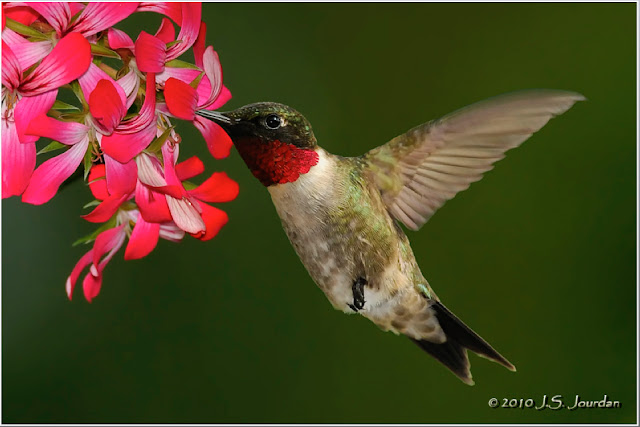
When I walked past a patch of jewelweed that Amber had directed me to I spotted a Ruby-throated Hummingbird feeding. After an hour of no action I finally had something to shoot at.

In the adjacent bushes a small number of American Redstarts appeared, followed by a pair of Black-throated Green Warblers bathing in the wet leaves of a large bush in front of me.


As the small flock moved south toward the maintenance yard I followed them, and found a bright male Black-throated Blue Warbler foraging at the junction of trail leaving the yard. After several outings I was finally able to get a couple of images of these beauties.


The American Redstarts caught up, so I captured a few images of these "hardest to photograph" warblers.


As I followed them down the trail to the creek bed more warblers started to appear along the trail's edge, including this Chestnut-sided Warbler.


It worked its way down to the forest floor and entered the damp creek bed and started foraging on the ground.


A Black-and-White Warbler appeared in the trees at eye-level and headed toward the creek bed, as well.


A juvenile Gray Catbird popped into view momentarily.

Bay-breasted Warblers, five or six of them, appeared next to where I was standing, and worked their way toward the creek bed.


A pair of Red-eyed Vireos appeared.


Another Chestnut-sided Warbler appeared in the dark shadows of the creek bed.


More Bay-breasted Warblers.


I soon realized that they were all heading for a bowl-sized puddle to drink, bathe and squabble!

A pair of Blackburnian Warblers.


A male Black-throated Blue Warbler appeared in the trees and began to make his way toward the creek bed.


Another Black-and-White Warbler did the same.


I kept alternating between birds in the trees and the warblers on the ground. This Cape May Warbler showed up from nowhere to join the fray.


At one point I had as many as 7 warblers in my field of view through the 600mm f/4 lens and 1.4TC (or 840 mm EFL) among 5 species of warblers: 3 Bay-breasted, 1 Magnolia, 1 Cape May, 1 Black-and-White, and 1 Tennessee Warbler (blurry one in foreground):


As I alternated between ground birds and tree birds I spotted an Ovenbird that I had briefly glimpsed earlier in the morning. It worked its way toward the puddle, as well, and at one point was literally at my feet. This would ultimately be my bird of the morning!


After 15 minutes of hot action the flock moved on, and I headed back to the car and home to process some 150 Gb worth of images. Thanks again to Amber and Greg for delivering the flock of birds to me!
Photography note: I had set Auto-ISO between 100 and 25,600 to capture birds at a minimum shutter speed of 1/4000 sec. I noticed that the camera jumped from ISO 6400 directly to 25,600 without ever settling on 12,800, 16,000, or 20,000 ISOs. Images at 25,600 were out of focus and overexposed while those at 6400 tended to be properly exposed and sharp. So, I'll be moving the Auto-ISO upper limit back to 12,800 and pray that future outings will give me enough light to hand-hold the 600/4...
Elizabeth Park (Trenton), Wayne, Michigan, US
Sep 3, 2023 8:30 AM - 10:00 AM
Protocol: Traveling
1.5 mile(s)
Checklist Comments: Hot, sticky, mosquitos. Blog post at https://birdingthroughglass.bl
32 species
Canada Goose (Branta canadensis) 12
Mourning Dove (Zenaida macroura) 2
Ruby-throated Hummingbird (Archilochus colubris) 1
Red-bellied Woodpecker (Melanerpes carolinus) 1
Downy Woodpecker (Dryobates pubescens) 2
Northern Flicker (Colaptes auratus) 2
Red-eyed Vireo (Vireo olivaceus) 2
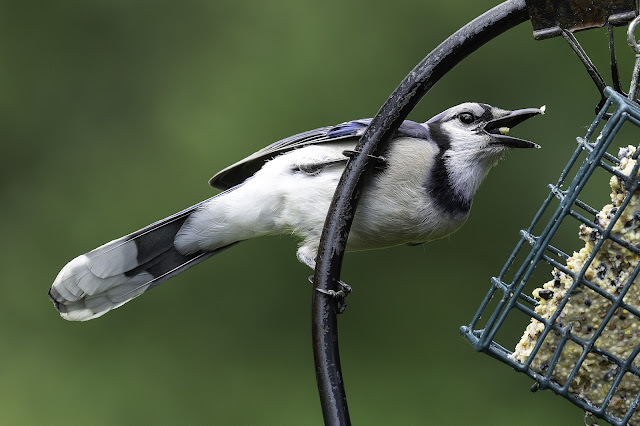
Blue Jay (Cyanocitta cristata) 1
Black-capped Chickadee (Poecile atricapillus) 2
Tufted Titmouse (Baeolophus bicolor) 1
White-breasted Nuthatch (Sitta carolinensis) 2
Blue-gray Gnatcatcher (Polioptila caerulea) 1
Carolina Wren (Thryothorus ludovicianus) 1
Gray Catbird (Dumetella carolinensis) 1
American Robin (Turdus migratorius) 4
Cedar Waxwing (Bombycilla cedrorum) 1
House Sparrow (Passer domesticus) 6
American Goldfinch (Spinus tristis) 1
Common Grackle (Quiscalus quiscula) 1
Ovenbird (Seiurus aurocapilla) 1
Black-and-white Warbler (Mniotilta varia) 3
Tennessee Warbler (Leiothlypis peregrina) 3
Nashville Warbler (Leiothlypis ruficapilla) 2
American Redstart (Setophaga ruticilla) 8
Cape May Warbler (Setophaga tigrina) 2
Magnolia Warbler (Setophaga magnolia) 4
Bay-breasted Warbler (Setophaga castanea) 8
Blackburnian Warbler (Setophaga fusca) 4
Chestnut-sided Warbler (Setophaga pensylvanica) 4
Black-throated Blue Warbler (Setophaga caerulescens) 4
Black-throated Green Warbler (Setophaga virens) 2
Northern Cardinal (Cardinalis cardinalis) 2
View this checklist online at https://ebird.org/checklist/S1
This report was generated automatically by eBird v3 (https://ebird.org/home)
Sep 3, 2023 8:30 AM - 10:00 AM
Protocol: Traveling
1.5 mile(s)
Checklist Comments: Hot, sticky, mosquitos. Blog post at https://birdingthroughglass.bl
32 species
Canada Goose (Branta canadensis) 12
Mourning Dove (Zenaida macroura) 2
Ruby-throated Hummingbird (Archilochus colubris) 1
Red-bellied Woodpecker (Melanerpes carolinus) 1
Downy Woodpecker (Dryobates pubescens) 2
Northern Flicker (Colaptes auratus) 2
Red-eyed Vireo (Vireo olivaceus) 2
Blue Jay (Cyanocitta cristata) 1
Black-capped Chickadee (Poecile atricapillus) 2
Tufted Titmouse (Baeolophus bicolor) 1
White-breasted Nuthatch (Sitta carolinensis) 2
Blue-gray Gnatcatcher (Polioptila caerulea) 1
Carolina Wren (Thryothorus ludovicianus) 1
Gray Catbird (Dumetella carolinensis) 1
American Robin (Turdus migratorius) 4
Cedar Waxwing (Bombycilla cedrorum) 1
House Sparrow (Passer domesticus) 6
American Goldfinch (Spinus tristis) 1
Common Grackle (Quiscalus quiscula) 1
Ovenbird (Seiurus aurocapilla) 1
Black-and-white Warbler (Mniotilta varia) 3
Tennessee Warbler (Leiothlypis peregrina) 3
Nashville Warbler (Leiothlypis ruficapilla) 2
American Redstart (Setophaga ruticilla) 8
Cape May Warbler (Setophaga tigrina) 2
Magnolia Warbler (Setophaga magnolia) 4
Bay-breasted Warbler (Setophaga castanea) 8
Blackburnian Warbler (Setophaga fusca) 4
Chestnut-sided Warbler (Setophaga pensylvanica) 4
Black-throated Blue Warbler (Setophaga caerulescens) 4
Black-throated Green Warbler (Setophaga virens) 2
Northern Cardinal (Cardinalis cardinalis) 2
View this checklist online at https://ebird.org/checklist/S1
This report was generated automatically by eBird v3 (https://ebird.org/home)


Of course I'm partial to this particular post but also love being able to see the side by sides of the confusing fall warblers for study. Great photos of your ovenbird!
ReplyDelete